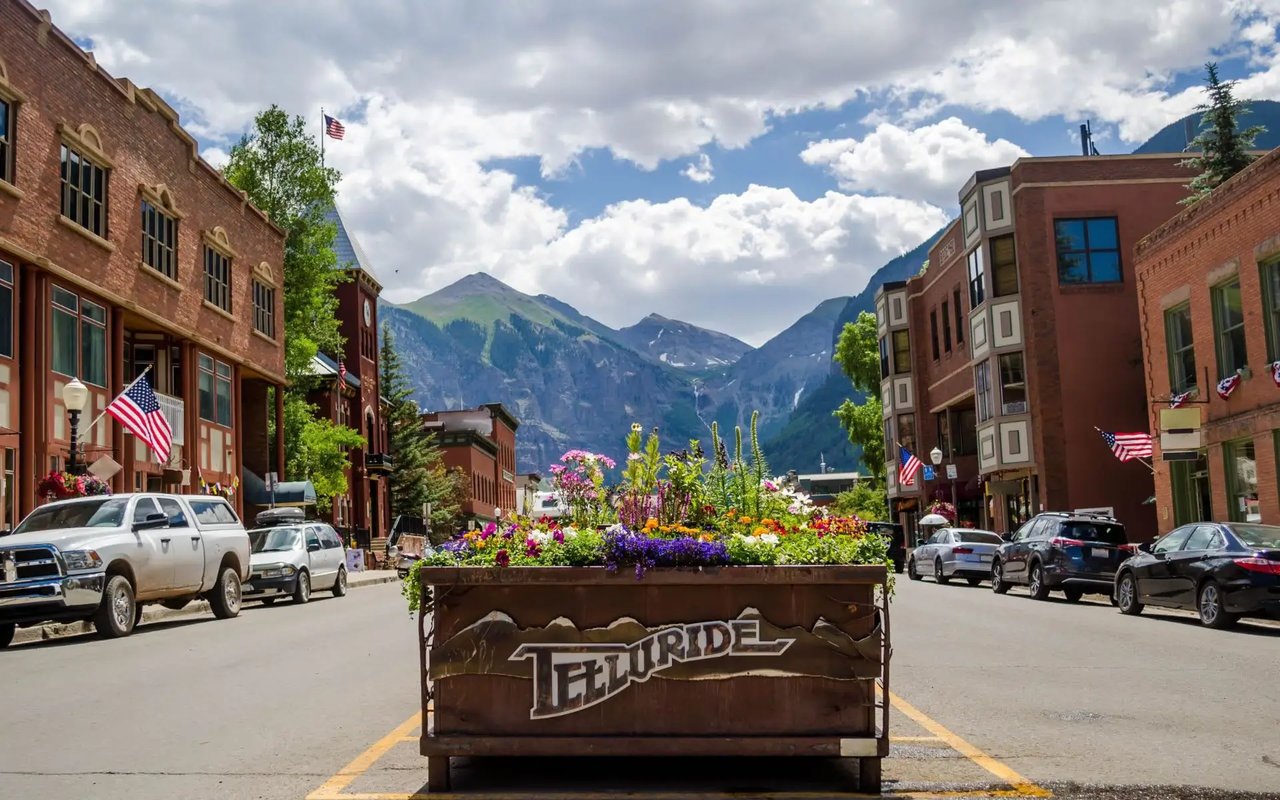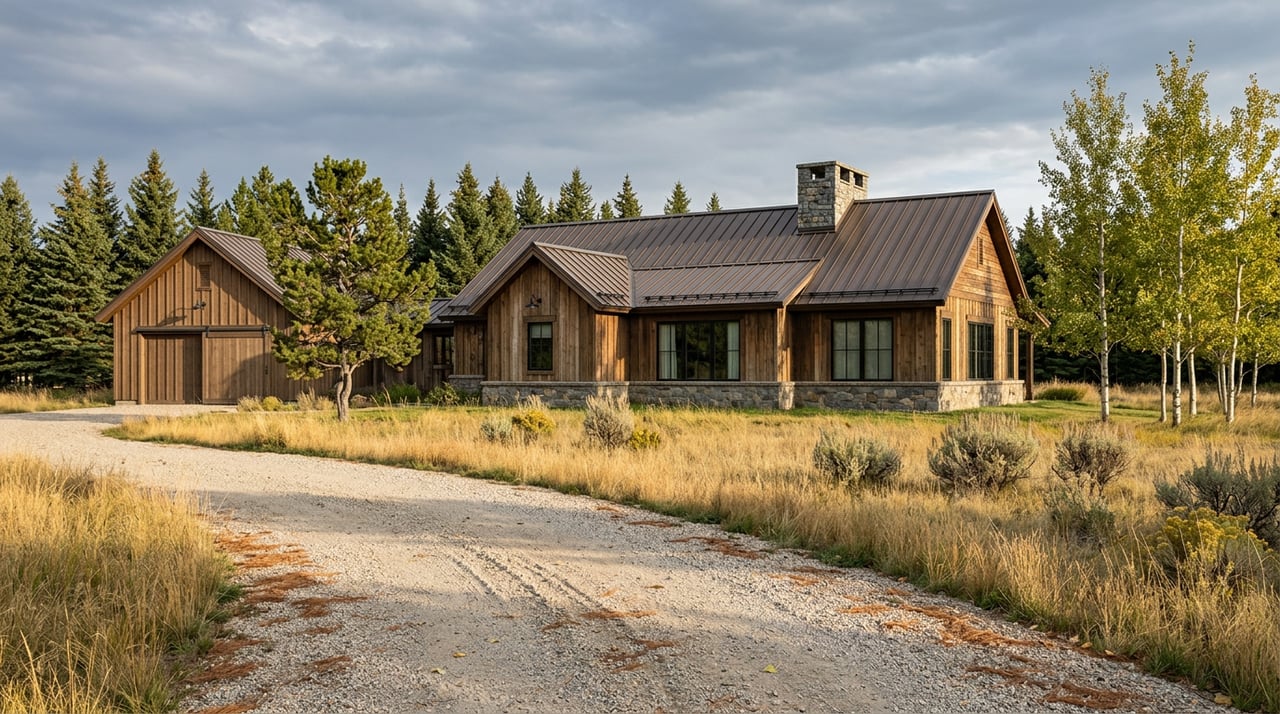
Dreaming of big sky, quiet meadows, and a true ranch feel without giving up quick access to town? If you want space, privacy, and iconic Wilson Peak views while staying close to Telluride’s dining, skiing, and culture, Wilson Mesa belongs on your shortlist. In this guide, you’ll learn what life looks like up on the mesa, the types of properties you’ll find, and the practical steps that make a smooth purchase. You’ll also get a clear checklist for wells, septic, access, utilities, and winter realities so you can move forward with confidence. Let’s dive in.
Wilson Mesa at a glance
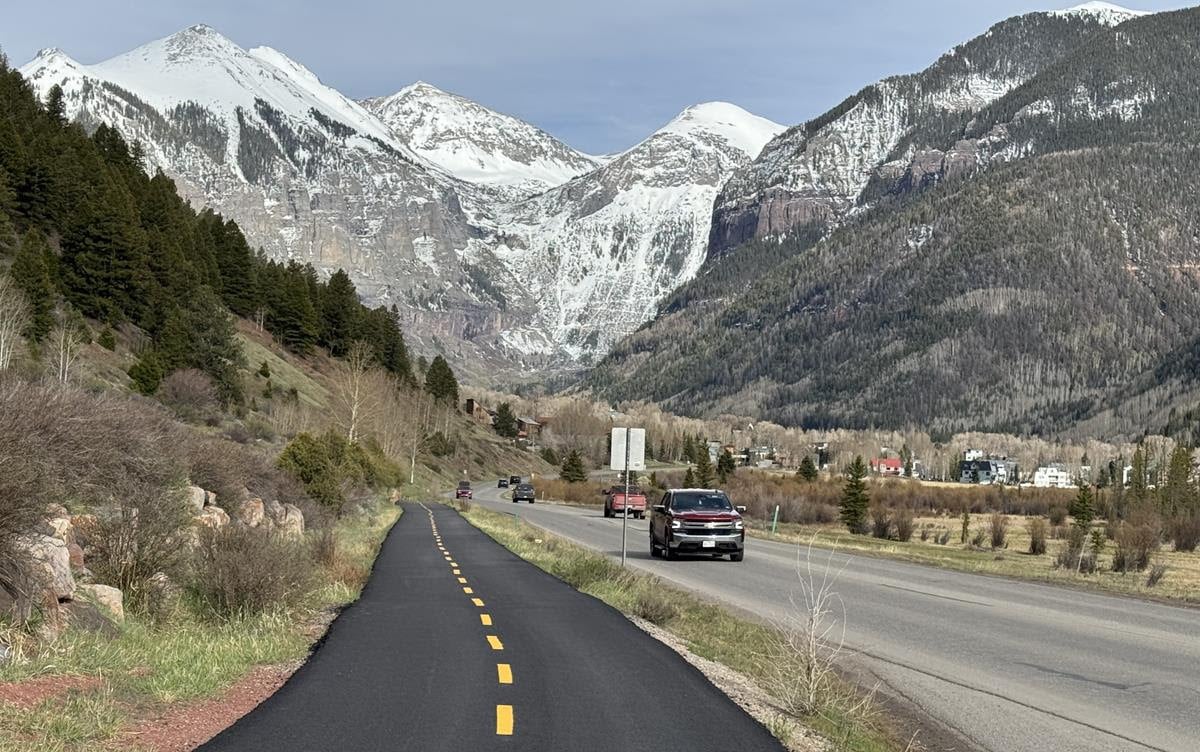
Set just west of Telluride, Wilson Mesa is a broad, high-country plateau framed by the Wilson massif. You reach it from Highway 145 via Fall Creek Road (CR 57P) or Silver Pick Road (CR 60M). Drive times to Telluride for many parcels typically range from about 20 to 35 minutes, depending on your exact location and road conditions.
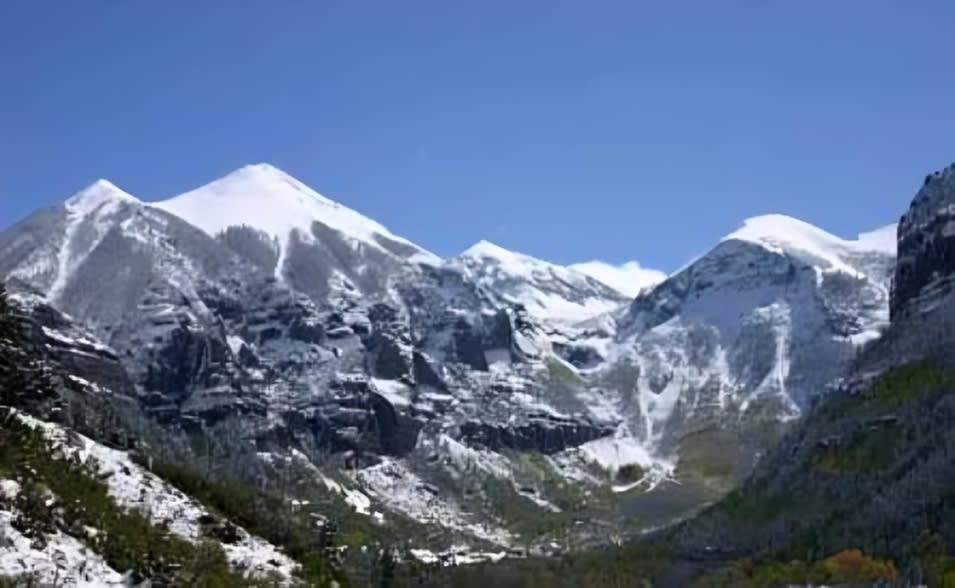
Elevation and views are part of the magic. The mesa’s summit area sits near 10,059 feet above sea level, according to TopoZone, with the dramatic profile of Wilson Peak rising to 14,020 feet on the skyline. That combination of high meadow, aspen and spruce pockets, and big-mountain backdrop defines the look and feel of the area. TopoZone lists Wilson Mesa at approximately 10,059 feet.
Property types and parcel sizes
You’ll see a mix of small ranch parcels and large, legacy holdings on and around Wilson Mesa:
- Small ranch parcels and ranchettes. Purpose-platted subdivisions and larger homesites commonly span single-digit to a few dozen acres, often planned to capture view corridors while keeping privacy.
- Larger ranches. The broader region also includes multi-hundred to multi-thousand-acre ranches that trade intact or as large tracts. For context, public listings in the Telluride area have included ranch offerings measured in the thousands of acres near Placerville and Telluride. See a representative example of a multi-thousand-acre listing on LandBroker MLS.
Parcel sizes vary widely. You might tour a 7- to 35-acre homesite one day and a multi-thousand-acre working or conservation-minded ranch the next. That breadth allows you to calibrate scale, privacy, and management needs to your goals.
Conservation easements and building envelopes
Conservation easements are common on large ranches across the mesas. Easements often preserve habitat, restrict subdivision, and define where and how many homes can be built. Some subdivisions and ranch portfolios also use building envelopes to protect view planes and scenery. If you are planning any future improvements, document any easements and envelopes early in due diligence.
Access and year-round living
Primary access to Wilson Mesa typically uses county roads from Highway 145: Fall Creek Road (CR 57P) and Silver Pick Road (CR 60M). Some parcels enjoy direct county-road frontage with noted year-round maintenance, while others involve privately maintained roads or seasonal access. Two practical checkpoints to verify for any property are snow removal responsibilities and driveway grade, since winter storms and freeze-thaw can change access routines.
In winter, you will plan more around conditions. Many residents keep snow-capable vehicles, arrange for regular plowing, and time deliveries. Those rhythms are part of the appeal for buyers seeking privacy and quiet just outside Telluride’s resort activity.
Permits and county process
San Miguel County uses a consolidated Development Permit process that typically covers planning, building, onsite wastewater (OWTS), and Road & Bridge review. You usually need a Development Permit before drilling a new well, constructing a driveway, or installing utilities. The county outlines the process and directs applicants to the SmartGov portal in its public FAQ. Review the county’s guidance here: San Miguel County Development Permit FAQ.
Water, wells, and septic: what to know
Water is central to ranch and mountain living. In Colorado, the type of well permit and its recorded uses determine what you can do outside the home. Common categories include household-use-only wells and domestic wells, with important differences for outdoor uses like watering limited livestock or small-scale irrigation. The Colorado Geological Survey’s resources explain how permits and yields are recorded with the State Engineer and why that matters to your plans. Learn more in the Colorado Groundwater Atlas overview.
Before you buy, confirm the exact well permit on file, its permitted uses, and any conditions. The State Engineer’s Office maintains those records. For a quick orientation to how to look up well records through the State Engineer, see this summary that points to the State Engineer’s tools: State Engineer’s Office information.
Most rural parcels rely on an on-site wastewater treatment system. San Miguel County reviews OWTS as part of development approvals. Actual design depends on site soils, setbacks, and topography, and it is addressed during the permit phase. Start with the county’s Development Permit FAQ for OWTS review steps and submittal requirements.
Power, backup, and internet on the mesa
Many Wilson Mesa parcels have access to grid electricity, though availability and cost to extend service vary by lot location. In sensitive mountain environments, utilities are sometimes buried to improve reliability and reduce wildfire ignition risk. Regional reporting has highlighted how undergrounding critical segments can reduce risk in high-fire areas. For context, see this overview of wildfire and power-line risk in mountain towns: Wildfire risk and power infrastructure context.
Backup systems are common. Solar with battery storage, propane, and standby generators appear frequently in property descriptions. For internet, address-level coverage is highly site specific. Fixed wireless and satellite providers, including newer options, serve many rural addresses. Start your availability check by entering the exact property address into a coverage tool like InMyArea’s provider lookup.
Day-to-day routines and ranch rhythm
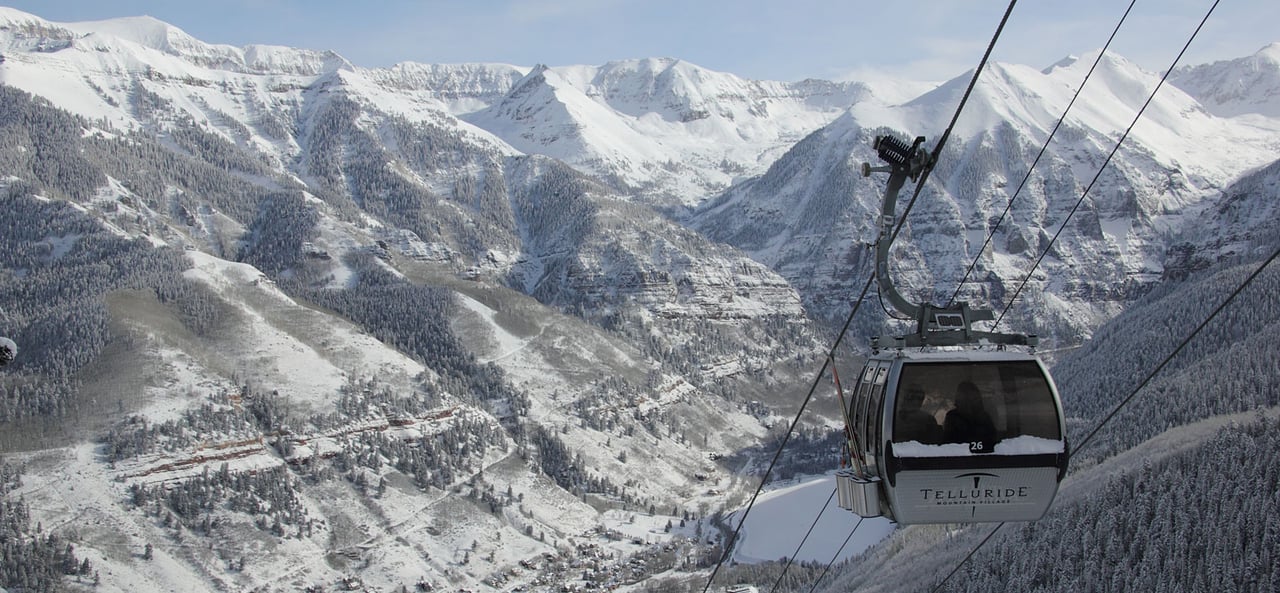
On small ranch parcels, mornings often include simple animal care if permitted by your well rights, fence checks, and property maintenance. On larger or working ranches, chores scale to meadow work, feeding, irrigation management, and equipment upkeep. Many owners enjoy a quiet start on the property, then head into Telluride for groceries, dining, or a gondola ride in the afternoon.
Recreation at your doorstep
Wilson Mesa properties commonly feature immediate access to hiking, horseback riding, snowshoeing, and wildlife viewing right from home. Trailheads to classic routes near Wilson Peak and the Rock of Ages area are within reach for many owners. Telluride Ski Resort and the town gondola remain close enough for day trips without sacrificing privacy back at the ranch.
For buyers interested in wildlife and hunting context, many parcels in this part of San Miguel County sit within or near Game Management Unit 70. Regulations and private-land access rules are specific. Review current Colorado Parks & Wildlife unit maps and rules before planning any activity, and confirm private-land access programs if applicable.
Winter and wildfire readiness
Expect a true high-country winter on the mesa. Climate normals for the Telluride area show a long cold season with substantial snowfall, which shapes vehicle choices, fuel planning, and plowing schedules. For a quick view of seasonal patterns and temperatures, review the Telluride station normals here: Telluride climate normals.
Wildfire preparation is also part of responsible mountain ownership. Local fire authorities emphasize defensible space, ladder-fuel reduction, and community preparedness. The Telluride Fire Protection District shares homeowner resources and regional planning materials. Start with their wildfire resources and information to plan mitigation projects that may also help with insurance.
Due-diligence checklist for Wilson Mesa parcels
Use this list to organize your evaluations and keep your file complete:
- Well permit and allowed uses. Confirm the recorded well permit type and any conditions through the State Engineer’s records. The Colorado Geological Survey overview and this State Engineer information page explain how to locate records and why they matter.
- OWTS/septic status. Check for any existing approvals or soils work. The county’s Development Permit FAQ outlines submittals and review steps.
- Access and maintenance. Verify whether access is via a county-maintained or private road, winter plowing responsibility, and any shared-road agreements.
- Power availability and configuration. Confirm service options and whether lines are underground or overhead. Review any special assessments or agreements related to undergrounding. For broader context on power-line risk in the mountains, see this wildfire and power-line resource.
- Conservation and building envelopes. Document any conservation easements, agricultural designations, and defined building envelopes recorded against the deed.
- Wildfire and mitigation plan. Check local CWPP status and follow Telluride Fire Protection District guidance on defensible space and fuel reduction.
- Internet and cellular coverage. Run an address-level check for providers and speeds using a tool like InMyArea, and confirm line-of-sight for fixed wireless.
Is Wilson Mesa a fit for you?
If you value privacy, dark night skies, and the daily drama of Wilson Peak, Wilson Mesa delivers a classic western ranch feel within easy reach of town. The key is planning. When you confirm water rights and well uses, dial in your septic design, understand road maintenance, and prepare for winter and wildfire, you set yourself up for a smooth closing and an enjoyable first season on the property.
If you want seasoned guidance tailored to ranch and acreage purchases in San Miguel County, start a conversation. With decades of local experience and a hands-on approach to land, Jim Lucarelli can help you evaluate parcels, coordinate due diligence, and position you for long-term success. Request a confidential consultation.
FAQs
How far is Wilson Mesa from Telluride for daily trips?
- Many parcels are about 20 to 35 minutes from town by car, depending on the exact location and road conditions. Always verify the drive time from the specific property address.
What roads provide access to Wilson Mesa year-round?
- Most owners use Fall Creek Road (CR 57P) and Silver Pick Road (CR 60M) from Highway 145. Winter maintenance varies by county and private roads, so confirm plowing and any road agreements during due diligence.
Can I keep horses or livestock on a Wilson Mesa property?
- It depends on your recorded well permit and local zoning. Some well types allow limited outdoor uses while others do not. Verify the permit on file and any conditions with the State Engineer’s Office.
Will I have power and reliable internet on the mesa?
- Many parcels have grid power, and owners often add solar, battery, and generator backups. Internet options vary by site; run an address-level check for fixed wireless and satellite service, and confirm line-of-sight where needed.
Do I need county approvals before drilling a well or starting a driveway?
- Yes. San Miguel County’s Development Permit process typically applies before drilling a well, installing utilities, or building a driveway. Review requirements and timelines early to keep your project on schedule.
What should I know about winter on Wilson Mesa?
- Expect a long, snowy season at high elevation. Plan for capable vehicles, plowing arrangements, and fuel deliveries, and time projects around winter conditions.
How do conservation easements affect what I can build?
- Easements can limit the number and placement of homesites and preserve habitat or views. Review recorded documents and any building envelopes to understand where you can site structures and what uses are allowed.

Jim Lucarelli is a seasoned Colorado real estate agent with over 34 years of experience, primarily in the Telluride market. Formerly owner of Real Estate Affiliates of Telluride, he joined Compass in 2020, leveraging their advanced resources. A four-time past president of the Telluride Association of REALTORS® and three-time REALTOR® of the Year, Jim has deep market knowledge, especially in ranch properties. He's also experienced in construction management and actively involved in the Telluride community, serving on several boards.
[email protected] | Office: (970) 728-0213 | Mobile: (970) 708-2255
For more timely updates follow us on Instagram or Facebook at @lucarelli.telluridelifestyle and Lucarelli.TellurideLifestyle.
For more timely updates follow us on
INSTAGRAM | FACEBOOK | LINKEDIN | TIKTOK