Is “ski-in/ski-out” on your Mountain Village wish list, but you are not sure what that actually looks like day to day? You are not alone. Many listings use broad “ski access” language that can mean anything from lift-at-your-door to a 10-minute walk in ski boots. This guide breaks down the real differences so you can buy with confidence, protect value, and set accurate rental expectations. Let’s dive in.
What counts as ski-in/ski-out
Not all ski access is equal. Here are practical categories you can use to compare homes and condos in Mountain Village.
Lift-adjacent
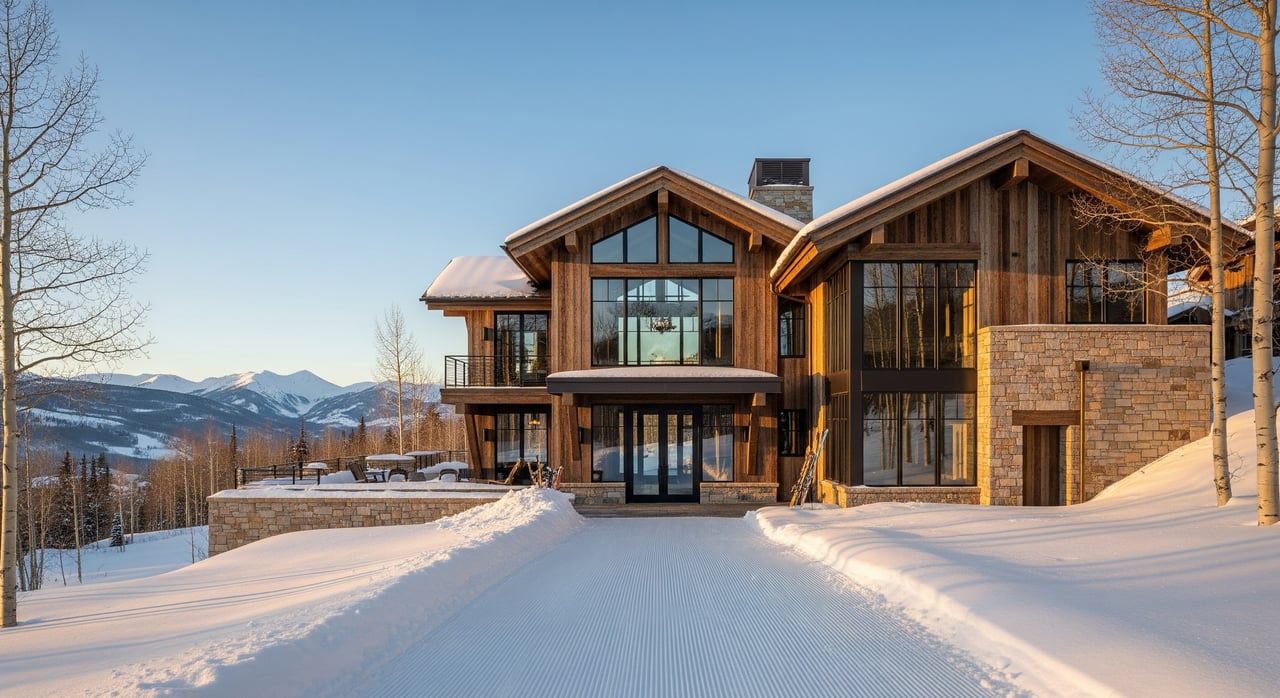
These properties sit immediately next to a chairlift or surface lift loading or unloading area. You click in and go. This is the highest convenience and often commands the largest premium.
Run-adjacent
These homes or buildings border a named, groomed run. You can ski to the edge of the property, but you may step out for a short walk, side-step, or cross a brief ungroomed section to reach the door.
Groomed access route
Some properties connect to the mountain by an official groomed corridor or packed ski path. This resort-maintained route links runs to building walkways or plazas. It is usually more reliable than informal, ungroomed cut-throughs.
Gondola-adjacent vs ski-door
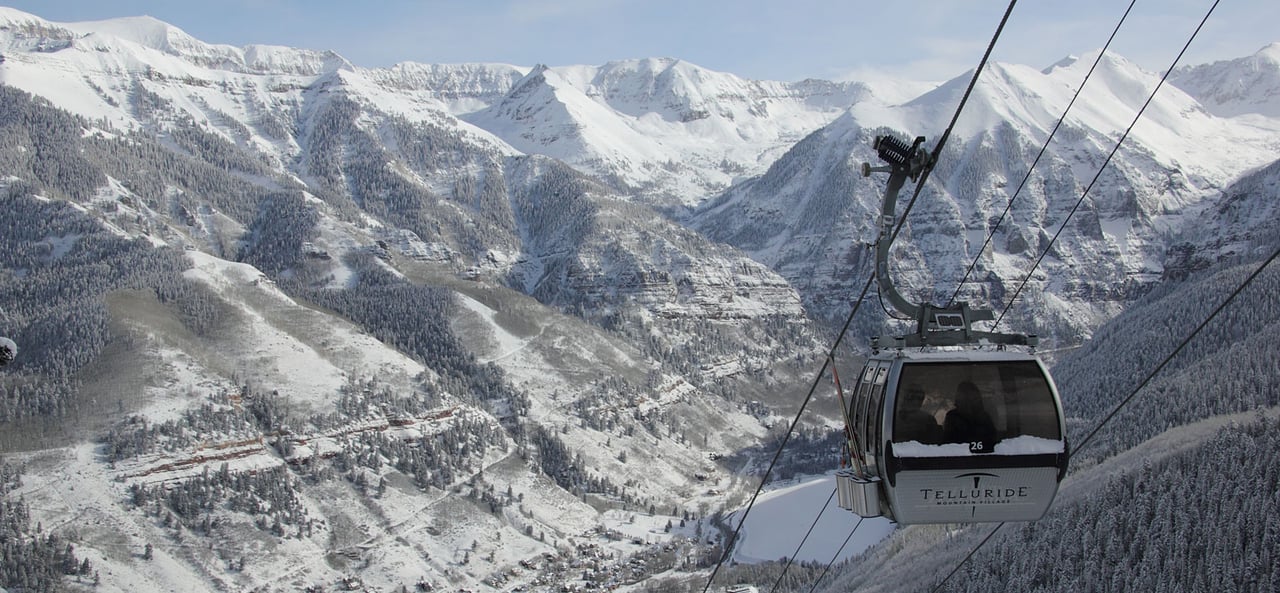
The free gondola linking Mountain Village and Telluride is a major convenience for owners and renters. Properties near a gondola station offer quick access to lifts and village amenities, but that does not always equal true ski-to-door. You still want to confirm a direct groomed link if ski-in/ski-out is your priority.
“Walk-to-slope” properties
These require a short pedestrian segment, like stairs, sidewalks, or a street crossing. Many buyers are happy with this tradeoff, but it is not the same as clicking in at your door.
Mountain Village map cues
Lifts, runs, and plazas
Mountain Village sits within the Telluride Ski Resort system. Start with the official trail map to identify the nearest named lifts and runs to a property. In the compact village core, “ski-in” often ends at a plaza where you walk a short distance on snow-packed walkways or steps.
Gondola convenience
The free gondola shifts demand patterns because it improves access across seasons. Proximity to a gondola station can boost rental appeal, especially for guests who value quick transport to restaurants and shops. Just treat gondola convenience as a separate benefit from ski-door access.
Building types and HOAs
Condos and hotels may have dedicated ski rooms, lockers, and managed corridors. Townhomes and single-family homes vary more. HOA rules, budgets, and maintenance plans determine how well access routes are kept open and where you can store gear.
Seasons change access
Early and late season
Access can change with snowfall and temperatures. Early and late season periods can leave gaps between runs and buildings if snow coverage is thin or if snowmaking is limited on certain corridors.
Grooming, snowmaking, and microclimate
Groomed corridors and snowmaking increase reliability. Shaded, north-facing routes usually hold snow better than sun-exposed links. Always verify which connections are groomed and how they perform across a full season.
Operations and safety
Run openings, grooming schedules, and temporary closures are operational decisions. Avalanche mitigation or control work can also create short closures on certain mornings. Expect some day-to-day variability even with excellent access.
Legal access matters
Recorded ski easements
A “ski easement” is a recorded right-of-way that allows skiing across a parcel to reach a run, lift, or gondola. In San Miguel County, you can confirm this through the Clerk and Recorder, your title report, or the plat map. The document should identify who holds the right and who maintains the corridor.
HOA covenants and budgets
For condos and townhomes, review CC&Rs, bylaws, and budgets. Look for snow and ice removal obligations, heated sidewalks, and ski storage policies. These details affect both safety and your net ownership costs.
Resort-owned pathways
Some connecting corridors are owned or managed by the ski area. The resort can re-route or change grooming as needed, subject to recorded agreements. Your due diligence should confirm any obligations that protect the connection you are relying on.
What it means for price and rentals
Price premiums
True lift-door and ski-door properties typically command the largest premiums in resort markets. Single-family homes that border a run are rarer and can carry outsized value. The exact premium depends on local supply and demand.
Rental demand and ADR
Short-term renters tend to book earlier and pay more for immediate ski access and gondola proximity. Walk-to-slope homes and shuttle-reliant properties can still perform well, but they usually trail true ski-door units in occupancy and average daily rate.
Operating costs and restrictions
HOA services that keep access reliable, such as heated walkways and corridor grooming, often sit in monthly dues. Review these costs and any short-term rental rules from the Town of Mountain Village or applicable HOAs before you underwrite revenue.
Your due diligence checklist
Documents to obtain
- Deed, title report, and any recorded ski easements.
- Plat map and site plan showing ski corridors or access easements.
- HOA CC&Rs, budgets, meeting minutes, and rules for ski storage and snow maintenance.
- Resort trail map and recent grooming or run-status archives for perspective on reliability.
- Lift and gondola operating calendars, including maintenance windows.
- Local short-term rental rules and registration requirements.
Questions to ask
- What do you mean by “ski-in/ski-out”? Show the exact path from run or lift to the door.
- Is there a recorded ski easement? Who maintains the corridor and who pays for it?
- Which named lift and run are nearest, and is there a groomed link to the building?
- How close is the gondola, and do operating hours affect your daily plan?
- What on-site features support access, such as boot rooms, ski lockers, or heated walkways?
- Has the property been rented short-term? Request historical occupancy and rates if available.
On-site testing
- Time the route in full gear from door to the first lift, and from the nearest run back to the door.
- Walk the connection in shoulder season to see how melt or closures affect access.
- Confirm storage, drying, and staging areas for gear to keep daily routines smooth.
Listing language, decoded
- “Ski-in/ski-out” means different things in practice. Ask for a map, photos, and the recorded easement.
- “Walk to the slopes” can range from two minutes on heated pavers to a longer walk with stairs or street crossings. Time it yourself.
- “Gondola access” is a meaningful benefit, but it is not the same as a groomed ski link to your door.
- “Ski access” without detail is a red flag. Insist on lift name, run name, and the exact route.
How to compare properties quickly
Use time and distance to set expectations:
- Immediate ski-door: steps from the entry to a groomed route.
- Very convenient: roughly 1 to 3 minutes or 100 to 200 meters via groomed corridor or short paved segment.
- Short walk: 3 to 10 minutes with possible stairs or a road crossing.
- More than 10 minutes or any vehicle or shuttle reliance: functionally not ski-in/ski-out for daily use.
Next steps
If you want daily ski convenience and strong rental appeal in Mountain Village, focus on recorded access, groomed connections, and practical time-to-lift. Verify the legal documents, test the path in full gear, and review HOA services that keep the route safe and open all season. A clear picture of access will help you buy the right property at the right price.
For property-specific guidance, a document review, or a curated list of true ski-in/ski-out opportunities, connect with Jim Lucarelli. Request a confidential consultation and get local, seasoned advice.
FAQs
What does ski-in/ski-out mean in Mountain Village?
- It means you can begin or end a ski run at your property or via a short groomed corridor without using a vehicle or making a long carry. Always confirm the exact route on a map and in person.
How is gondola-adjacent different from ski-door access?
- Gondola proximity offers fast transport and strong renter appeal, but it is not ski-to-door unless a groomed path directly links your building to the lifts or runs.
What documents prove real ski access?
- Look for a recorded ski easement in the title report or plat, HOA documents that detail maintenance, and resort maps that show an official groomed connection.
Does ski access change during the season?
- Yes. Early or warm periods can break connections if coverage is thin or a corridor is not groomed. Check grooming reports, run status, and snowmaking coverage.
How do access differences affect rentals?
- True ski-door and lift-adjacent properties tend to achieve higher occupancy and rates. Short-walk homes can still rent well but usually at a discount to ski-door comparables.
What should I test during a showing?
- Time the door-to-lift route in full gear, ski back to the door to confirm the return path, and inspect storage, heated walkways, and any stairs or crossings on the route.

Jim Lucarelli is a seasoned Colorado real estate agent with over 34 years of experience, primarily in the Telluride market. Formerly owner of Real Estate Affiliates of Telluride, he joined Compass in 2020, leveraging their advanced resources. A four-time past president of the Telluride Association of REALTORS® and three-time REALTOR® of the Year, Jim has deep market knowledge, especially in ranch properties. He's also experienced in construction management and actively involved in the Telluride community, serving on several boards.
[email protected] | Office: (970) 728-0213 | Mobile: (970) 708-2255
For more timely updates follow us on Instagram or Facebook at @lucarelli.telluridelifestyle and Lucarelli.TellurideLifestyle.
For more timely updates follow us on
INSTAGRAM | FACEBOOK | LINKEDIN | TIKTOK