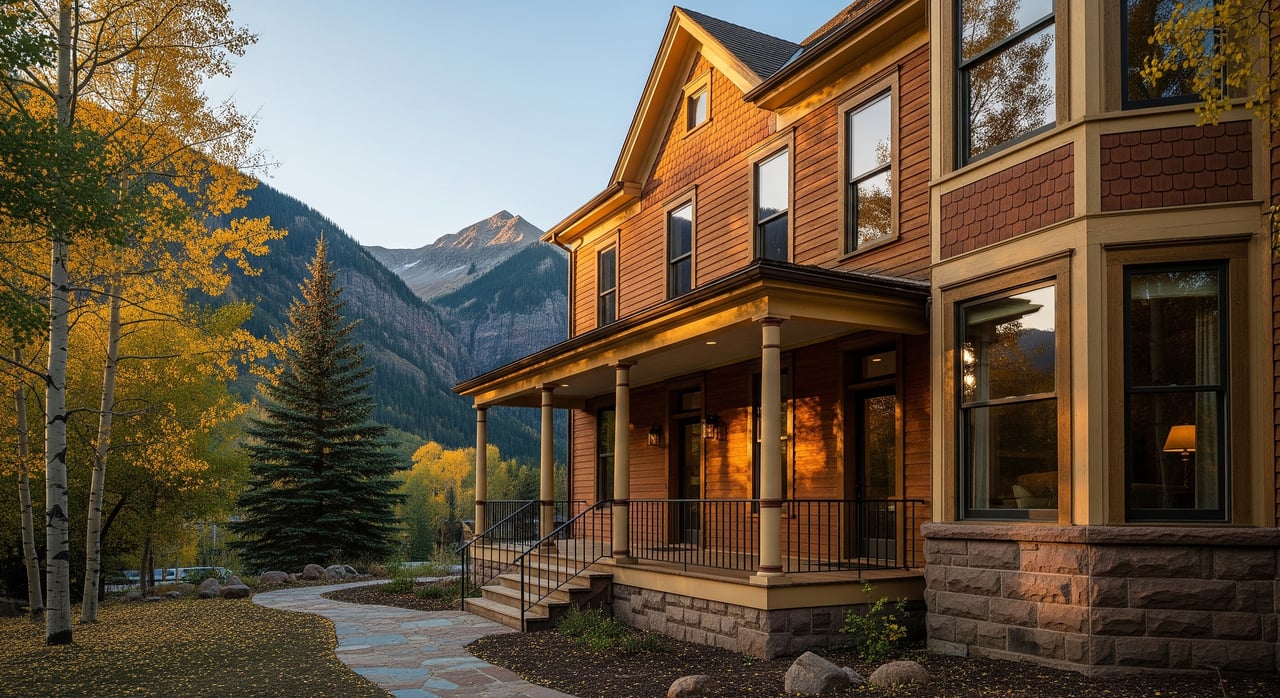
Picture yourself stepping out your front door onto Colorado Avenue, coffee in hand, with everything from a bakery to the free gondola just a short walk away. If you crave a place where historic architecture meets mountain energy, Telluride’s Historic District delivers a rare blend of charm and convenience. You want lifestyle clarity before you buy, from housing types and walkability to seasonal rhythms and practical constraints. This guide gives you a clear, local view so you can decide if living in Telluride’s historic core fits your goals. Let’s dive in.
Why the Historic District stands out
Historic character and sense of place
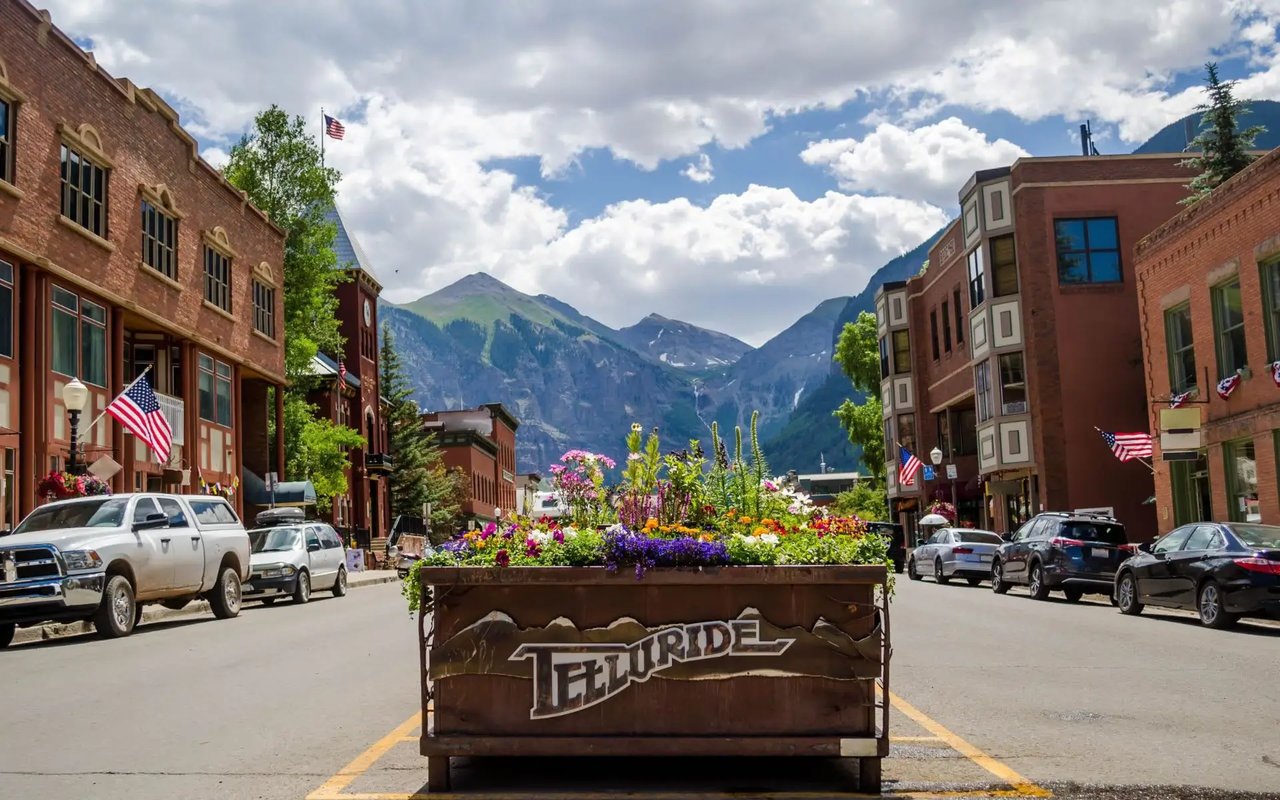
Telluride’s core reflects its mining-era roots with late 19th and early 20th century buildings, narrow storefronts, and small worker cottages. Buildings sit close to the sidewalk, creating a human-scale streetscape that feels intimate and inviting. The historic identity is a daily backdrop that shapes everything from morning errands to evening strolls.
Walkable living, daily convenience
Most of your daily needs are within a short walk of Colorado Avenue and nearby streets. You can reach restaurants, shops, a grocery, banking, and some medical services on foot. On-street parking is limited in the core, so many residents walk, bike, or use the gondola for short trips.
Community energy, small-town feel
The town’s compact size supports a close-knit atmosphere, amplified at times by a significant visitor presence. You’ll see a mix of long-term locals, year-round professionals, seasonal workers, and second-home owners. Activity levels rise during peak ski and festival seasons, then settle into quieter shoulder periods.
Homes and architecture you’ll find
Historic cottages and duplexes
You’ll see historic single-family cottages and duplexes, often on smaller lots with shallow setbacks. Many have been updated or expanded vertically over time while keeping a period façade. These homes can require specialized maintenance due to age and climate.
Condos and mixed-use residences
Expect condos and mixed-use buildings with residences above commercial spaces. Some upper-floor homes are in restored historic structures that keep their original character. Newer infill projects typically blend contemporary systems with historically appropriate exteriors, subject to design review.
Lots, yards, and outdoor space
Private lots in the core are generally small, and homes sit close to the street. Yards are limited, so outdoor living often shifts to decks, rooftop spaces, or nearby parks and open spaces. If a larger yard is a must, you may want to look just outside the immediate core.
Lifestyle rhythms across the seasons
Winter patterns
Winter is a high-activity season tied to the ski resort. Snow and ice shape daily routines, from sidewalk clearing to vehicle prep. Heated drives are not common, so plan for snow removal and cold-weather home performance.
Spring and early summer
Spring can be variable with quieter weeks and snowmelt runoff on steep streets. Early summer ramps up activity as trails open and events begin. It is a good time to handle inspections and maintenance before peak summer crowds.
Summer festivals
Telluride’s marquee events, including the Telluride Film Festival, Telluride Bluegrass Festival, and Mountainfilm, transform downtown with large crowds and vibrant street life. Expect longer dining waits, increased noise, and limited parking during major festival weekends. If you love culture at your doorstep, this season is a highlight.
Fall reset
Fall is typically calmer, with crisp weather and lower occupancy. Many residents enjoy the breathing room and easy access to trails and dining. It is a strategic window for project planning and upgrades.
Getting around and access
Free gondola connection
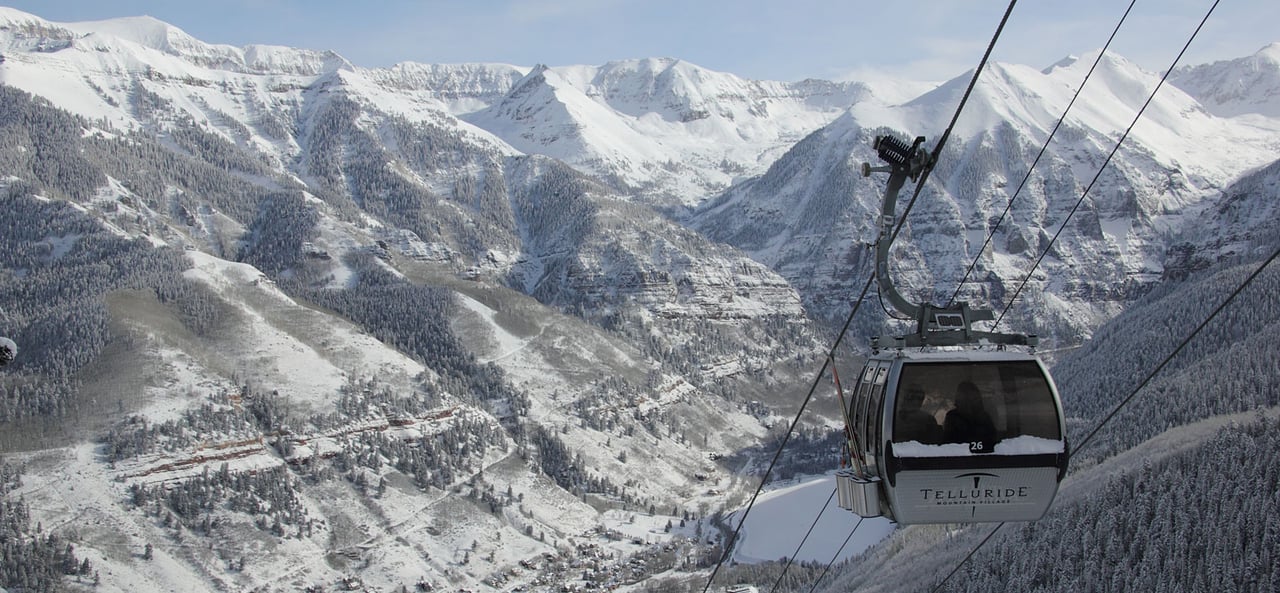
The free public gondola between Telluride and Mountain Village is a defining local amenity. Residents use it for commuting, shopping, and recreation without getting in a car. It makes car-light living in the historic core more practical.
Parking and streets
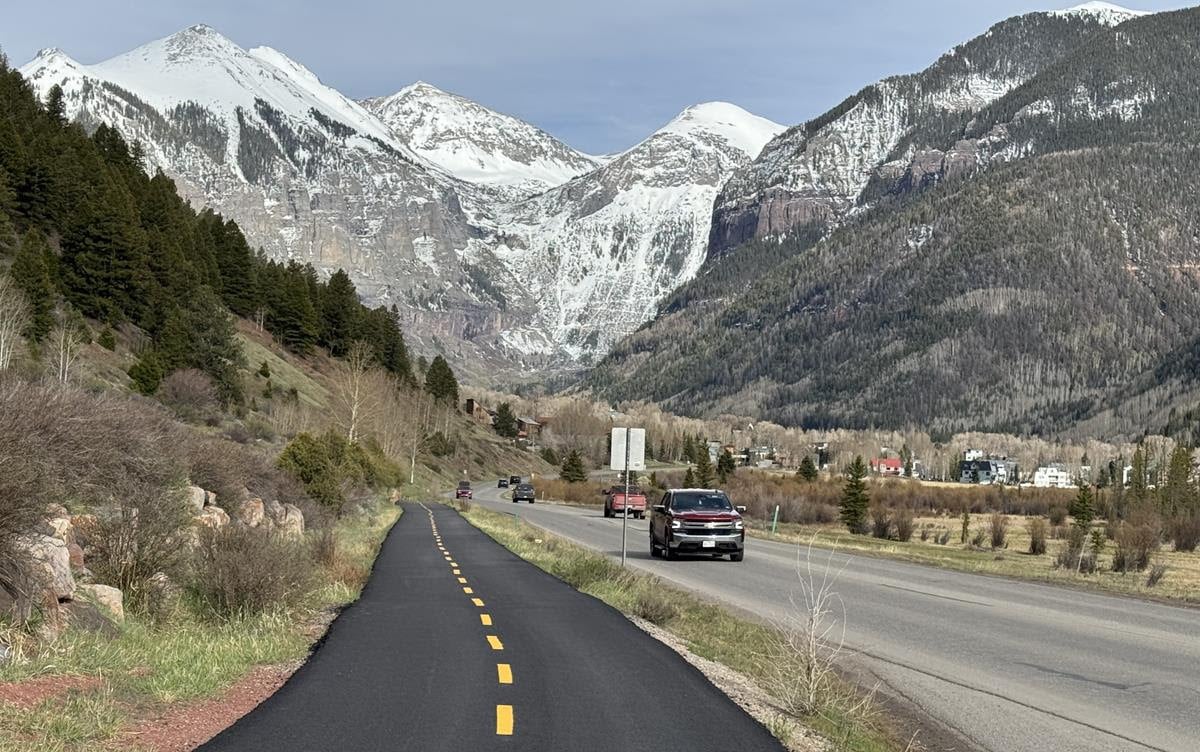
On-street parking is limited in the downtown core, especially during events and ski season. Walkability, biking, and shuttle options help reduce reliance on a car. Steeper blocks and winter conditions can affect access and maintenance plans.
Regional travel and airports
Telluride Regional Airport offers seasonal commercial service and private flights. Montrose Regional Airport provides more scheduled flights and is roughly a 1.5 to 2 hour drive depending on weather and road conditions. Winter storms can affect travel times, so build in flexibility.
Practical considerations before you buy
Historic review and zoning
The Town of Telluride uses zoning and historic review processes that guide building heights, setbacks, exterior materials, and façade changes. Additions and exterior work usually require review by planning and historic commissions, which can influence timelines and design choices. Confirm parcel-specific overlays and current regulations early in your search.
Short-term rental rules
Short-term rentals are common in resort markets but are regulated in Telluride and San Miguel County. If rental income is part of your plan, verify the latest municipal permitting, licensing timelines, and any HOA restrictions. Do not assume a property is eligible for nightly rental without checking current rules.
Maintenance and utilities
Historic homes often need specialized upkeep, including wood siding repairs, foundation attention, and roofing that can handle snow loads. The town provides municipal water and sewer, and electricity is served by regional providers such as San Miguel Power Association. Broadband availability has improved, but speeds and redundancy vary by building, so confirm provider options at each address.
Insurance and natural hazards
Mountain properties can carry higher insurance costs related to snow loads, regional wildfire exposure, and remote location. Avalanche risk is generally tied to steep slopes away from the main downtown valley floor, though you should confirm property-specific conditions. Obtain insurance quotes and understand coverage limits before making an offer.
Families, services, and everyday needs
Schools and healthcare
Telluride School District R-1 offers K through 12 education in town. Local medical and urgent care services are available, with higher-acuity care at regional hospitals in places like Montrose and Grand Junction. Consider seasonal transport when planning for appointments.
Groceries and shopping
You will find everyday groceries and specialty foods in and near the historic core. For larger retail and big-box shopping, most residents make trips to regional centers such as Montrose or order online. Plan ahead for bulk purchases or specialty items.
Due diligence checklist
- Verify current zoning, historic district designation, and design review requirements.
- Review any conservation easements, deed restrictions, and HOA rules, including parking and short-term rental policies.
- Inspect roof, foundation, plumbing, and heating systems for high-elevation performance and snow-load capacity.
- Confirm utility providers and service reliability for electricity, water, sewer, gas, and broadband.
- Obtain property and wildfire insurance quotes and understand tax obligations.
- Assess winter access, driveway design, municipal snow removal patterns, and proximity to emergency services.
- Confirm permitted uses and check for any active violations or code enforcement matters.
Is the Historic District right for you
Living in Telluride’s historic core means choosing walkability, character, and cultural energy over larger private yards and wide driveways. If you value a small-town feel with a world-class resort atmosphere, the lifestyle can be exceptional. Align your expectations with seasonal rhythms, design controls, and maintenance realities, and the experience becomes both inspiring and practical.
Ready to explore properties that match your goals in Telluride’s Historic District? Connect with Jim Lucarelli for tailored guidance and a confidential consultation.
FAQs
How walkable is Telluride’s Historic District for daily needs
- Most daily errands are a short walk along Colorado Avenue and nearby streets, with the free gondola adding easy access to Mountain Village.
What housing types are common in Telluride’s Historic District
- You will find historic cottages and duplexes, condos, and mixed-use buildings with residences above retail, plus newer infill that respects historic façades.
Are short-term rentals allowed in Telluride’s Historic District
- Short-term rentals are regulated, so confirm current Town of Telluride rules, licensing timelines, and any HOA restrictions before purchasing.
How do festivals affect living in Telluride’s Historic District
- Major events increase crowds, noise, and parking pressure on key weekends, while shoulder seasons and fall tend to be quieter.
What should I know about winter living in Telluride’s Historic District
- Plan for snow removal, limited on-street parking, and cold-weather home performance; heated drives are uncommon and winter storms can affect travel.
What are the main airports for Telluride residents
- Telluride Regional Airport offers seasonal service and private flights, while Montrose Regional Airport provides more scheduled flights about 1.5 to 2 hours away depending on conditions.

Jim Lucarelli is a seasoned Colorado real estate agent with over 34 years of experience, primarily in the Telluride market. Formerly owner of Real Estate Affiliates of Telluride, he joined Compass in 2020, leveraging their advanced resources. A four-time past president of the Telluride Association of REALTORS® and three-time REALTOR® of the Year, Jim has deep market knowledge, especially in ranch properties. He's also experienced in construction management and actively involved in the Telluride community, serving on several boards.
[email protected] | Office: (970) 728-0213 | Mobile: (970) 708-2255
For more timely updates follow us on Instagram or Facebook at @lucarelli.telluridelifestyle and Lucarelli.TellurideLifestyle.
For more timely updates follow us on
INSTAGRAM | FACEBOOK | LINKEDIN | TIKTOK