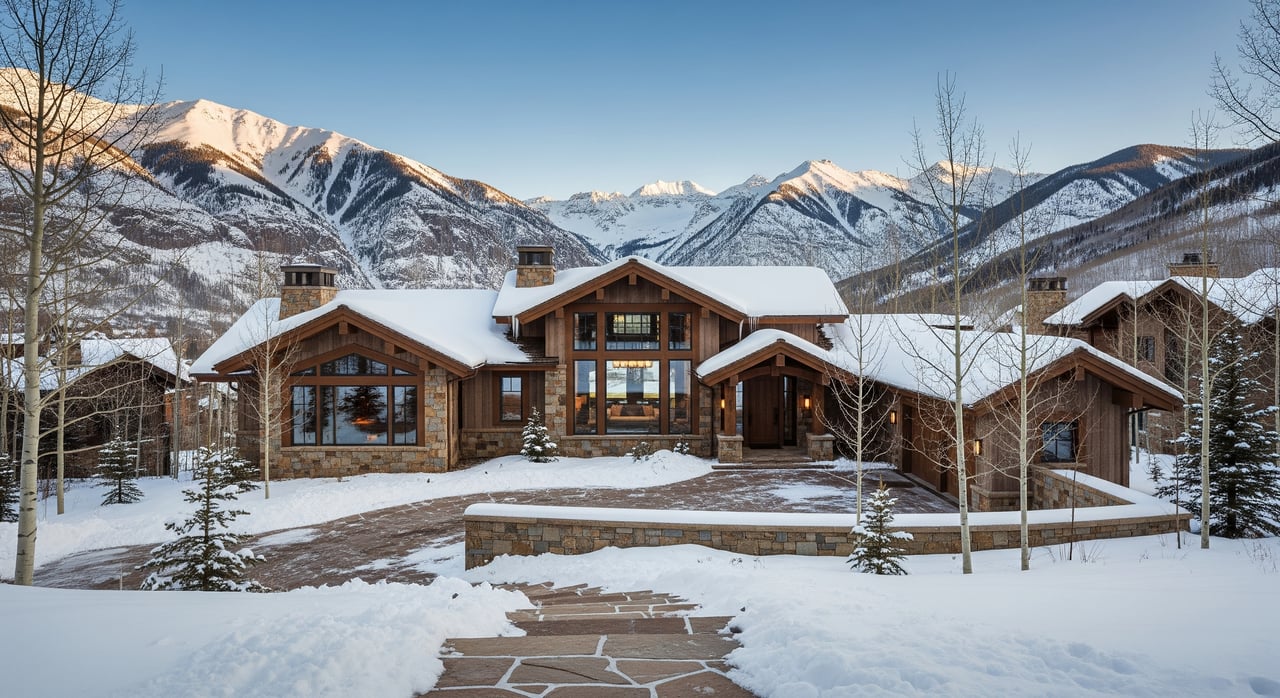
Thinking about a Telluride condo or a home in a planned community? In mountain resort towns, the homeowners association often shapes your day-to-day living, your carrying costs, and even your financing options. You want the alpine lifestyle without surprises. This guide shows you what to look for in HOA fees, reserves, rental rules, and design controls so you can buy with confidence. Let’s dive in.
HOA basics in Telluride
In Telluride, most attached homes and many planned communities are part of an HOA. The structure affects what you own, what you maintain, and how your home can be used.
Common association types
- Condominium association. You own a unit and share common elements like hallways, roofs, elevators, and garages. The HOA maintains the building and common areas.
- Planned-unit development (PUD). You own a lot and a home. The HOA typically manages exterior standards, roads, open space, and shared amenities.
- Layered or master associations. Common in resort settings, a master HOA covers village-scale services like shuttles, trails, or roads, while your building or neighborhood has a sub-association for day-to-day operations.
Management and governance
- Management models. Smaller buildings may be self-managed by an owner board. Larger resort communities usually hire professional management. Early on, a developer may control the board before turnover to owners.
- Core documents. Expect a Declaration or CC&Rs, Bylaws, Rules and Regulations, and often separate architectural or design standards. Management agreements and vendor contracts are also part of the record.
Telluride context
Because amenities and infrastructure are shared across buildings, layered governance is common. Associations are often set up as Colorado nonprofit corporations and follow state requirements for meetings and operations. Municipal rules in the Town of Telluride or San Miguel County may also apply and can overlay or supersede HOA rules.
What HOA dues cover and what to watch
Your monthly or quarterly assessment funds both daily operations and long-term capital needs, and it can vary widely by property.
Operating dues and reserves
- Operating assessments. Cover snow removal, landscaping, trash and recycling, common-area utilities, management, janitorial, and insurance for common elements.
- Reserves. Dedicated savings for big-ticket replacements such as roofs, siding, elevators, paving, and decks.
- One-time fees. You may see transfer fees, capital contributions at resale, move-in or move-out fees, and charges for parking or storage.
Reserve studies and special assessments
A reserve study estimates useful life and replacement cost of major components, then recommends annual funding. Adequate reserves lower the chance of a surprise special assessment. Underfunded reserves, especially in mountain climates with heavy snow and freeze-thaw, often lead to assessments for roofs, decks, or exterior repairs.
Mountain-town cost patterns
In resort markets like Telluride, dues tend to be higher than in non-resort areas. Snow removal, seasonal staffing, costly exterior maintenance, higher insurance premiums, and local labor and logistics all add up. This does not mean a building is unhealthy; it reflects the service level and the environment.
Financial health indicators
When you review HOA documents, focus on:
- Current budget and year-to-date income and expenses
- Reserve study and reserve cash balance
- Delinquency rate and collection practices
- Frequency and size of special assessments
- Operating cash on hand and any lines of credit
- Management contracts and major vendor terms
- Recent meeting minutes that discuss near-term capital projects or assessments
A strong reserve plan and transparent minutes usually signal disciplined management. Weak reserves, frequent assessments, or unclear capital plans are caution flags.
Rules that shape your lifestyle
Rules vary by community. Know how they align with how you plan to live or rent.
Amenities and services
Many resort HOAs offer amenities such as concierge or front desk services, ski storage, heated garages, shuttles, gyms, and pools or spas. Some operate seasonally or with expanded hours during ski season. The budget and house rules set service levels and hours.
Short-term rentals
Short-term rental policies differ widely. Some associations allow them, some restrict or ban them, and many use a middle ground with minimum stays, registration, caps, or required local managers. STR-friendly policies can enhance rental income potential, but they may come with stricter guest rules and added wear-and-tear considerations. Municipal licensing and tax rules may also apply in addition to HOA policies.
Design controls and architectural review
Most HOAs require approval for exterior changes, including paint colors, windows, decks, fences, exterior lighting, satellite dishes, and snow-management features. Guidelines typically protect a cohesive mountain aesthetic and sometimes historic character or sightlines. Approval can take time, and noncompliance can lead to fines or required restoration. If you plan any exterior changes, factor the process into your timeline.
Everyday use rules
Expect rules that cover noise, occupancy, guest conduct, storage, signage, and on-site business use. Fire-safety and aesthetic rules often limit outdoor grills. Wood-burning appliances may be subject to permitting and emissions standards. Pet policies can restrict number, size, or breed, and usually require leashes and clean-up in common areas.
Parking, snow, and access
Understand whether stalls are deeded or assigned, how guest parking works, and what storage lockers are included. Rules for ski lockers and towing are common. HOAs typically handle snow removal for common areas, parking, and walkways, while owners may be responsible for private decks or driveways. In some areas, snow-load management and avalanche mitigation influence capital planning and rules.
How HOAs impact financing and resale
Association health and policies can affect your loan options and your future resale.
Financing considerations
Many lenders review condo projects for budget strength, reserve funding, litigation, owner-occupancy levels, and delinquency rates. High investor concentrations, weak reserves, or active litigation can make a project harder to finance or require larger down payments. Lenders also pay attention to special assessments and may require you to cover them at closing.
Resale and marketability
- STR rules. Investor-friendly rental policies can expand your buyer pool among income-focused purchasers, while quieter, more restrictive policies may appeal to owner-occupants.
- Amenities and reserves. Strong amenities paired with well-funded reserves generally support pricing and reduce buyer risk. Frequent assessments or management instability can weigh on value.
- Design standards. Consistent exterior standards can stabilize values by preventing incompatible changes, though overly rigid rules can deter some buyers.
Insurance and taxes
HOAs carry master insurance for common areas. Coverage can be walls-in or bare-walls, so you may need unit-owner coverage for interior finishes and personal property. If insurance is incomplete, an HOA may levy a special assessment after a loss. HOA dues are separate from property taxes, and portions of assessments may be deductible if you rent your property; consult a tax professional for specifics.
Due diligence checklist for Telluride buyers
Use this list to spot strengths, risks, and hidden costs before you commit.
Governance and rules
- Declaration/CC&Rs, Bylaws, Rules and Regulations
- Architectural guidelines and ARC application forms
Financial records
- Current-year budget and most recent financial statement
- Most recent reserve study and current reserve balance
- Year-to-date operating ledger and delinquency report
- List of current or planned special assessments and capital projects
Insurance and litigation
- Master insurance policy declarations and coverage summary
- Disclosure of pending or threatened litigation and legal budgets
Meetings and management
- Board meeting minutes for the last 12–24 months
- Management agreement, fees, and termination terms
- Contact info for board and property manager
Rentals and occupancy
- Written rental policies and any required permits or registrations
- Count of short-term rented units versus owner-occupied units
- Applicable municipal short-term rental rules for the address
Physical condition
- Recent reserve-funded projects and planned replacements
- Maintenance schedules for elevators, roofing, HVAC, and paving
Transfer costs
- Transfer or resale certificate fees, capital contributions
- Move-in or move-out fees and any parking or storage charges
Practical living
- Parking allocation, guest parking limits, and towing rules
- Pet policy and restricted areas
- Trash, recycling, and compost procedures and schedules
- Snow removal scope for HOA versus owner responsibilities
Financing and title
- Confirm project acceptability with your lender early
- Obtain a current resale certificate or estoppel showing dues, assessments, and amounts due at closing
Questions for the board or manager
- What are the top three near-term capital projects and how will they be funded?
- What is the delinquency rate and typical collection timeline?
- How often are reserve studies updated and is funding on track with recommendations?
- How are short-term rental rules enforced and what is the recent enforcement history?
Final thoughts
The right HOA can unlock effortless mountain living, reliable services, and strong long-term value. The wrong fit can add costs, limit your plans, or complicate financing. A focused review of dues, reserves, rental rules, and design standards will help you align lifestyle, budget, and exit strategy.
If you want a seasoned perspective on specific Telluride and Mountain Village associations, document reviews, and project-level risks, reach out for tailored guidance. With three decades in San Miguel County, Jim Lucarelli can help you navigate layered HOAs and secure the right mountain property. Request a confidential consultation.
FAQs
What is an HOA in Telluride and how does it work?
- An HOA manages shared property and rules for a building or community, collects dues for operations and reserves, and enforces standards that affect maintenance, use, and value.
Are HOA dues typically higher in Telluride than elsewhere?
- Yes, resort markets often have higher dues due to snow removal, seasonal staffing, exterior maintenance in harsh weather, higher insurance premiums, and local labor costs.
How do short-term rental rules affect my purchase?
- Policies vary by association and may include bans, caps, minimum stays, registration, or manager requirements; municipal licensing and taxes can also apply.
What is a reserve study and why does it matter?
- A reserve study estimates lifespan and replacement costs for major components and sets funding targets, which helps reduce special assessments and supports financing and resale.
Can HOA finances affect my mortgage approval?
- Yes, lenders often review project budgets, reserves, delinquency rates, litigation, and owner-occupancy; weak metrics can limit loan options or require larger down payments.
What should I ask the HOA before I write an offer?
- Ask about near-term capital projects and funding, delinquency and collections, reserve study updates and funding levels, and how short-term rental rules are enforced.

Jim Lucarelli is a seasoned Colorado real estate agent with over 34 years of experience, primarily in the Telluride market. Formerly owner of Real Estate Affiliates of Telluride, he joined Compass in 2020, leveraging their advanced resources. A four-time past president of the Telluride Association of REALTORS® and three-time REALTOR® of the Year, Jim has deep market knowledge, especially in ranch properties. He's also experienced in construction management and actively involved in the Telluride community, serving on several boards.
[email protected] | Office: (970) 728-0213 | Mobile: (970) 708-2255
For more timely updates follow us on Instagram or Facebook at @lucarelli.telluridelifestyle and Lucarelli.TellurideLifestyle.
For more timely updates follow us on
INSTAGRAM | FACEBOOK | LINKEDIN | TIKTOK